Reasons Why a Scenic Water View Room Transforms Your Vacation
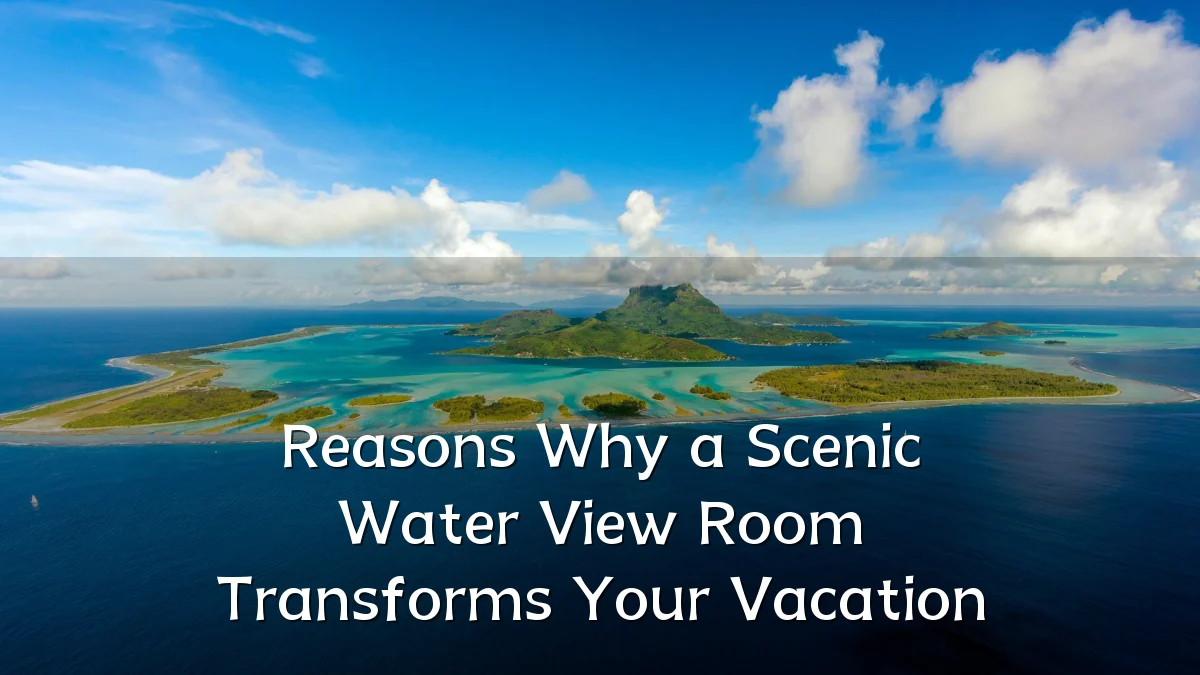
In recent years, the demand for accommodations that offer direct sightlines to oceans, lakes, rivers, or canals has grown steadily. While a room is primarily a place to sleep, the choice of a scenic water view has become a central factor in trip satisfaction, influencing everything from daily mood to the overall perceived value of a stay.
Recent Trends in Water View Accommodations
Travelers increasingly prioritize immersive experiences, and a water view room fits directly into that shift. Social media has amplified the appeal, as guests share sunrise shots, reflections, and waterfront panoramas. Hotels have responded by redesigning lobbies and guest rooms to maximize water exposure, often charging a premium that can range from 20% to over 50% above a standard interior room. Booking data suggests that properties with clear, unobstructed water views see higher occupancy rates and longer average stays.

Background: Why Water Views Matter
The psychological effect of viewing water is well-documented. Natural blue and green hues trigger relaxation responses, reduce stress hormones, and improve focus. Historical resort design has long capitalized on this, from coastal grand hotels to lakeside cabins. Today, even urban hotels with canal or bay views adopt this principle, recognizing that a static water perspective can provide a meditative anchor during a busy trip.
User Concerns and Considerations
While the appeal is strong, travelers should weigh several factors:
- Cost vs. Value: A water view room often carries a significant premium. Guests should assess whether the view will actually be used – for instance, early risers may benefit more than those who spend little time in the room.
- View Accuracy: “Partial view” or “side view” can differ greatly from full panoramic sightlines. Recent traveler reviews frequently note discrepancies between booking photos and actual window placement.
- Noise and Privacy: Lower floors near waterfronts can bring street noise, outdoor dining sounds, or foot traffic. Higher floors offer quieter, more private vantage points.
- Weather and Season: In some regions, fog, rain, or strong winds may obscure the view for extended periods. Seasonal variations should be checked before booking.
Likely Impact on Travel and Hospitality
Hotels are increasingly investing in architectural features that enhance water views – floor-to-ceiling windows, private balconies, and angled room layouts. Smaller boutique properties on lesser-known waterways have begun to compete directly with established beachfront resorts. For travelers, the shift means more choices across price points, though clearer labeling of view categories is expected to become standard. The real estate market for vacation rentals with water exposure has also tightened, with owners seeing steady appreciation.
What to Watch Next
Several developments are likely to shape the water view experience in coming years:
- Virtual Preview Tools: Some booking platforms are testing 360-degree previews that show exact window angles, helping guests confirm view quality before purchase.
- Sustainability Practices: Hotels near sensitive waterways face pressure to reduce light pollution and runoff, which may affect outdoor lighting designs and balcony materials.
- Workspace Integration: As remote work persists, rooms with water views are being marketed as “workations” hubs, with dedicated desks facing the water.
- New Room Types: Floating suites, houseboat hotels, and glass-walled overwater bungalows are expanding the definition of “water view” beyond traditional windows.